Burst Pipe or Water Leak? What Tamworth Homeowners Should Do Before the Plumber Arrives
Water spreading across a floor moves faster than most people expect. One moment there's a sound you can't quite place, and the next you're looking at a puddle expanding toward the carpet, the wall cavity or the kitchen cabinetry. In those first few minutes, what you do — and what you don't do — makes a real difference to how much damage the property sustains before help arrives.
A burst pipe or significant water leak is one of the more stressful household emergencies precisely because it feels urgent and unfamiliar at the same time. Most homeowners have never had to locate their main water shut-off valve under pressure, and few know instinctively whether a situation calls for a same-day booking or an immediate call to an emergency plumber in Tamworth. This guide walks through the steps in order — what to do first, what to do next and what to leave strictly to a licensed plumber — so that if you're ever in this situation, you're not working it out from scratch.
The First Thing You Need to Do Is Stop the Water at the Source
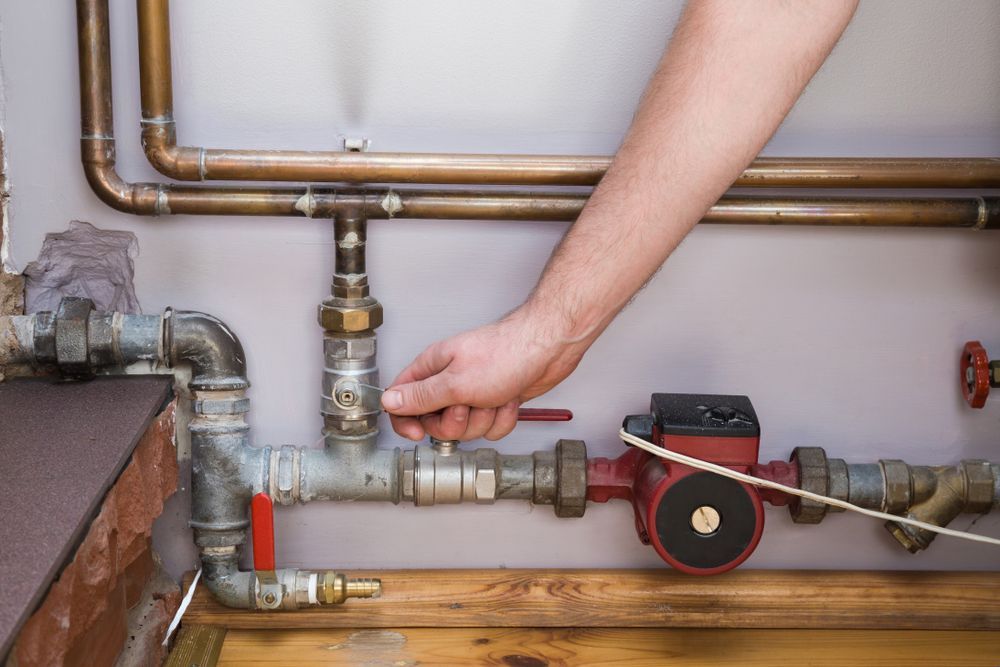
Before anything else, the water supply needs to be shut off. Every minute that water continues to flow into a burst or leaking pipe is another minute of damage to flooring, walls, ceiling cavities and any belongings in the path of the water. The main water shut-off valve is the fastest way to stop the flow entirely, and knowing where yours is before an emergency occurs is one of the most practical things a homeowner can do.
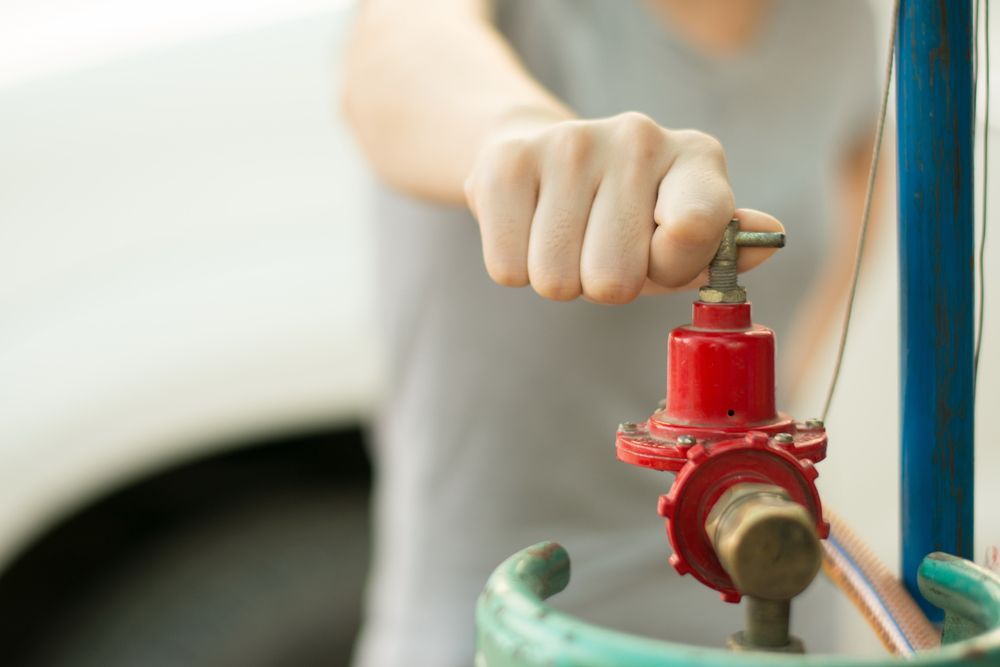
In most Australian homes, the main shut-off valve is located at the water meter — typically near the front boundary of the property, set into the ground in a small access box at street level. The valve is usually a tap or a lever that turns clockwise to close. If you can't locate the meter, check along the front fence line, near the letterbox or along the footpath. Once the main valve is closed, open a tap inside the house to release the remaining pressure in the pipes and confirm the flow has stopped. If the leak is isolated to a single appliance such as a washing machine, dishwasher or hot water unit, there may be an isolation valve directly behind or beneath that appliance that allows you to shut off supply to that point without cutting water to the whole house.
Water and Electricity in the Same Space Is a Safety Issue That Comes Before Everything Else
If water is pooling near power points, running along skirting boards that back onto electrical wiring or dripping from a ceiling with light fittings or fans above, the electrical risk needs to be addressed before you focus on the water itself. Water and electricity in proximity create a genuine shock hazard, and the steps to manage it are straightforward if you act quickly.
Locate your switchboard — usually in a hallway, laundry or garage — and isolate the circuits serving the affected area. If you're not certain which circuits cover the wet zone, switching off the main breaker entirely is the safest option. Do not walk through standing water to reach a power point or switch without first cutting power from the switchboard. If the switchboard itself is in the affected area or you have any doubt about safe access, stay clear and wait for a licensed professional. The sequence is: water off, then power isolated in affected areas, then you can focus on containing the damage.
Draining the System Reduces Pressure and Limits Ongoing Damage
Once the main water shut-off valve is closed, the pipes in the house still hold water under residual pressure. Opening taps throughout the property allows that water to drain down and out, reducing the pressure inside the pipe system and minimising the amount of water that continues to leak from the break point. This step is simple and takes only a minute or two, but it meaningfully reduces the volume of water that ends up where it shouldn't.
Open both the hot and cold taps in the kitchen, bathroom and laundry. Flush toilets once to drain the cistern. If the hot water system is electric, turn it off at the switchboard before draining, as running an electric hot water unit dry can damage the element. For gas hot water systems, turn the unit to pilot mode rather than off entirely. Once the taps are open and running freely, the flow will slow and stop as the system empties. This tells you the shut-off has worked correctly and that no more water will enter the pipe system until the valve is reopened.
Containing the Leak Protects Your Property While You Wait for Help
With the water supply off and the system draining, the immediate emergency is contained, but the water that has already escaped still needs to be managed. Standing water causes damage rapidly, particularly to timber flooring, particleboard cabinetry, carpet underlay and plasterboard walls. The longer it sits, the more it penetrates and the greater the secondary damage from moisture — including mould growth that can develop within 24 to 48 hours in damp conditions.
Practical steps to contain the water and reduce secondary damage while you wait for a plumber include:
- Place towels, mops or buckets to absorb and collect standing water as quickly as possible
- If water is coming through a ceiling, position a bucket beneath the drip point and use a screwdriver to carefully pierce the lowest point of any visible bulge in the ceiling — this relieves the weight of pooled water and prevents a larger section of ceiling collapsing
- Move furniture, rugs and any items of value away from the wet area
- Lift wet rugs off timber or laminate flooring — rugs left sitting on timber accelerate warping and staining
- Open windows and doors in the affected area to begin the drying process if conditions allow
- Use a wet-dry vacuum if one is available to extract standing water from floor surfaces
Photograph Everything Before You Clean Up — Your Insurance Depends on It
Once the immediate situation is under control, take a thorough photographic record of the damage before you begin any clean-up or drying. This documentation is the evidence your insurer will rely on when assessing a claim, and photos taken before the clean-up began are significantly more useful than those taken after the fact. A water damage claim without adequate documentation is a claim that's harder to process and potentially subject to dispute.
Photograph the burst pipe or leak point itself from multiple angles, the full extent of visible water damage, affected flooring and walls, any belongings or furniture that have been damaged and the location of the water meter and shut-off valve you used. Note the time the leak was discovered, the time you shut off the water and any visible signs of the cause like a cracked pipe, a failed fitting, a split hose. This record also helps your plumber diagnose the situation more quickly when they arrive and supports any subsequent repairs that your insurer needs to authorise.
How to Tell Whether Your Situation Is a True Emergency or Can Wait
Not every water leak requires an immediate after-hours call, but some situations genuinely do, and knowing the difference helps you make the right decision quickly rather than spending time in uncertainty. A burst pipe with active, uncontrolled water flow that you cannot stop at the shut-off valve, water entering an electrical space, a leak coming through a ceiling directly above a living area or water affecting structural elements of the property all meet the threshold for an immediate call to a 24/7 emergency plumber.
Situations that are urgent but may not require middle-of-the-night attendance include a slow drip from a tap or fitting that has been fully isolated, a minor leak from an appliance hose that has been shut off at the isolation valve and is not near electrical components, or a small localised leak that's been fully contained. As a general guide, ask yourself whether the property is currently safe and whether the water flow has been fully stopped. If the answer to both is yes, a same-day or next-morning booking may be appropriate. If either answer is no — or you're unsure — call immediately. Water damage from a burst pipe that's left overnight can cost considerably more to remediate than the call-out fee for 24/7 emergency plumber attendance.
What Not to Do While You Wait — and Why DIY Repairs Make Things Worse
The impulse to try to fix a burst pipe before the plumber arrives is understandable, but attempting a DIY repair on a pressurised pipe system almost always makes the situation worse rather than better. Temporary fixes using tape, putty or makeshift clamps rarely hold under pressure and can give a false sense that the problem is resolved, leading homeowners to restore the water supply before a proper repair is in place. When the temporary fix fails, often when the tap is turned back on, the resulting leak is frequently worse than the original.
What to avoid while you wait for professional help:
- Do not attempt to patch or clamp a burst pipe unless you have the specific materials and knowledge required — even pipe repair tape is only appropriate for certain pipe types and pressure levels
- Do not restore the water supply at the main valve until a licensed plumber has inspected and repaired the break
- Do not use electrical appliances in areas where water has been present until the space has been dried and checked
- Do not ignore a slow leak or drip on the basis that the water has been isolated — the underlying cause still needs to be diagnosed and repaired by a licensed plumber
- Do not attempt to access pipes inside walls or under slabs without professional leak detection — cutting into walls or digging without knowing exactly where the pipe runs risks causing additional damage
Hidden Leaks Are Often More Damaging Than the Ones You Can See
A burst pipe that sends water visibly across a floor is alarming, but it's also identifiable. The more insidious problem is a water leak that develops inside a wall cavity, under a slab or within the ceiling space, where it can run for days or weeks before the visible signs appear. By the time a damp patch shows on a wall or a soft spot develops in a floor, the leak has typically been active long enough to cause significant structural moisture damage.
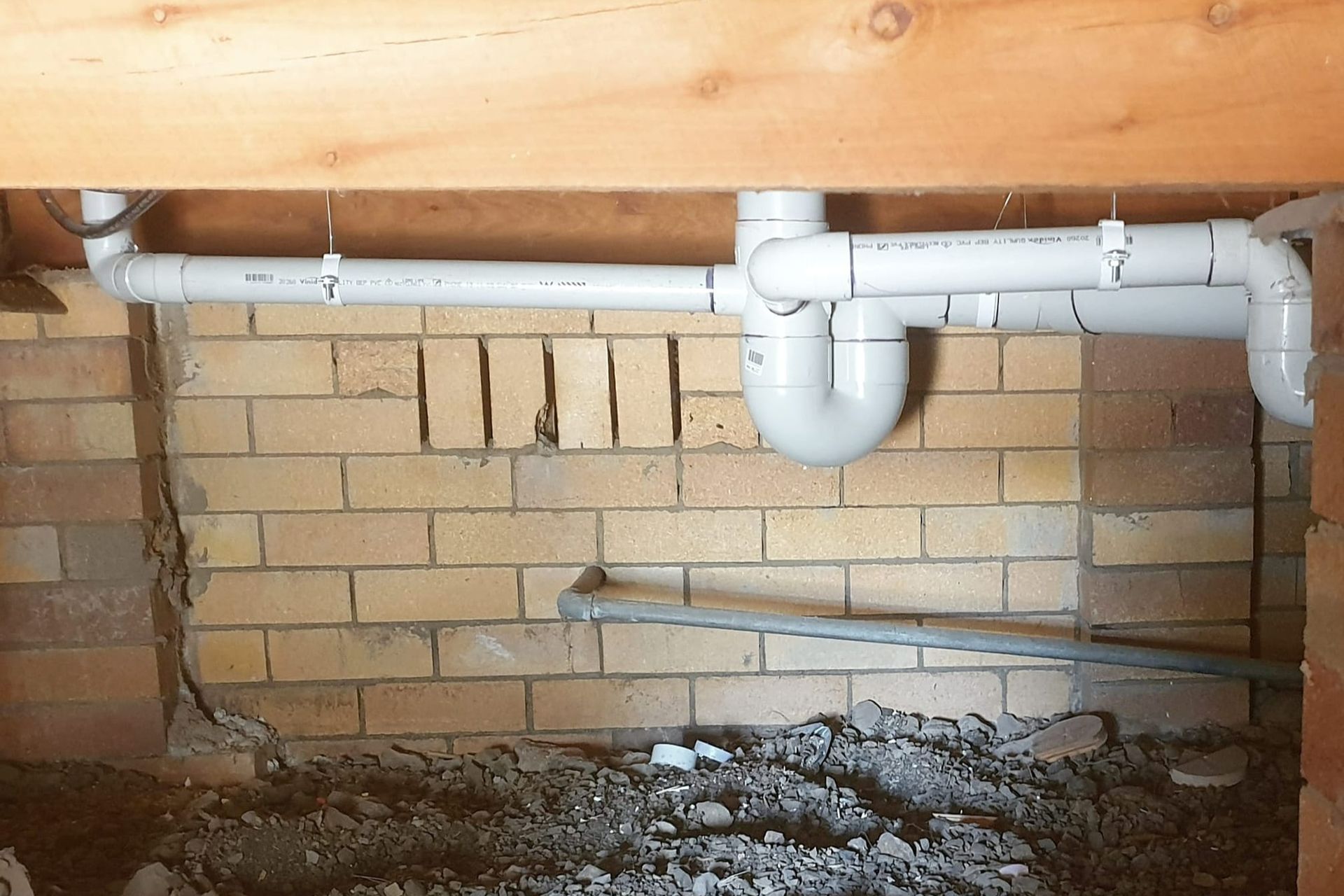
If you suspect a hidden burst pipe because your water bill has increased unexpectedly, because you can hear running water when all taps are off, or because a damp patch has appeared without an obvious cause, professional leak detection is the right next step. Modern leak detection uses acoustic sensors, thermal imaging and pressure testing to locate the source of a leak within the pipe system without destructive investigation. This means the access point for repair can be targeted precisely rather than requiring broad removal of wall linings or flooring to find the break. Many burst pipe repair situations that appear straightforward on the surface involve a hidden component that only becomes apparent during a full diagnostic, and identifying it early saves significantly on both repair cost and property damage.
Call Our Team the Moment You Need Us
At
ACS Plumbing, we respond to burst pipe and water leak calls across Tamworth and the New England North West, including after-hours and weekend emergencies when the situation can't wait. Tamworth's ageing residential infrastructure, seasonal temperature swings between freezing winters and hot summers and the impact of regional storm events all contribute to the kinds of pipe failures and water damage scenarios this guide covers, and we understand the local context that affects how these jobs need to be approached. Whether you need immediate burst pipe repair, leak detection for a suspected hidden leak, or help with
blocked drains following heavy rainfall,
call our team directly and we'll get someone to you as quickly as possible. For ongoing peace of mind, our
guide to plumbing maintenance covers the early warning signs worth watching for before an emergency develops.