A Tamworth Plumber's Guide To Hard Water - What It Does To Your Pipes And Appliances
Hard water is one of those household issues many people do not think about until visible problems start appearing around the home. A gradual decline in water pressure, cloudy residue on glassware, or a hot water system that struggles to keep up can all point to mineral-heavy water affecting the plumbing system.
In regional NSW areas, hard water is relatively common due to naturally occurring minerals found in local water supplies. Over time, these minerals can build up inside pipes, fixtures, and appliances, creating maintenance problems that are expensive and frustrating to deal with if left untreated.
For homeowners researching
plumbers in Tamworth, understanding how hard water affects a property can help identify plumbing issues earlier and reduce long-term wear on appliances. While hard water is generally considered safe for daily use, the impact it has on pipework and household systems can become significant over time.
Is the water in Tamworth hard?
Water hardness refers to the concentration of dissolved minerals — primarily calcium and magnesium — found in the water supply. Regional inland areas often experience harder water than coastal locations, and Tamworth is no exception. Mineral levels can fluctuate depending on rainfall, water storage conditions, and supply zones throughout the region.
According to Tamworth Regional Council water quality information, local water supplies may contain varying mineral concentrations during different times of the year. While these minerals are naturally occurring, they can leave noticeable residue throughout the home and gradually affect plumbing performance.
Many homeowners first notice hard water through visible signs rather than plumbing failures. Taps may develop a white chalky buildup, shower screens can become difficult to clean, and appliances may stop working as efficiently as they once did. These are often early indicators that minerals are accumulating throughout the plumbing system.
Common signs of hard water in Tamworth properties include:
- White residue around taps and showerheads
- Spots or film left on dishes and glassware
- Reduced soap lather when washing
- Scale buildup inside kettles and coffee machines
- Dry skin or hair after showering
- Reduced water pressure over time
For homeowners contacting plumbers in Tamworth about recurring plumbing concerns, hard water is often part of the underlying problem. Mineral buildup can slowly affect both old and newer homes, particularly where plumbing systems or hot water units have not been serviced regularly.
Signs hard water is affecting your home
Hard water damage usually develops gradually, which is why many property owners do not realise the extent of the issue until appliance performance declines or plumbing repairs become necessary. What begins as a cosmetic issue can eventually affect water flow, energy use, and the lifespan of household systems.
Bathrooms are often where the first signs appear. Showerheads can become partially blocked with mineral deposits, reducing water pressure and creating uneven spray patterns. Taps and sinks may develop stubborn white residue that returns even after cleaning. In kitchens and laundries, hard water can also affect dishwashers, washing machines, and hot water systems.
Some households notice that soap and shampoo no longer rinse properly or that clothing feels stiff after washing. Others become aware of rising energy bills caused by hot water systems working harder to heat water through layers of internal sediment buildup.
Common indicators include:
- Persistent scale deposits around fixtures
- Cloudy marks on shower screens and glassware
- Appliances taking longer to complete cycles
- Water pressure gradually reducing
- Noisy hot water systems
- Increased energy consumption
- Soap residue remaining on dishes or surfaces
These warning signs often appear long before complete appliance failure occurs. Addressing mineral buildup early can help reduce strain on plumbing systems and limit the risk of more extensive repairs later.
Households experiencing recurring plumbing concerns may seek advice from plumbers in Tamworth before hard water damage begins affecting multiple fixtures or appliances throughout the property.
How hard water damages your plumbing over time
The long-term effect of hard water occurs mostly inside the plumbing system where mineral deposits slowly accumulate out of sight. Calcium and magnesium attach to the internal walls of pipes, valves, fittings, and appliances, gradually restricting water flow and reducing overall efficiency.
Hot water systems are particularly vulnerable because heat accelerates mineral separation. As water heats, sediment settles inside storage tanks and around heating elements, reducing heating performance and increasing energy consumption. Over time, this sediment buildup can shorten the lifespan of the system and contribute to internal component failure.
Pipes affected by hard water may also experience narrowing due to scale accumulation. Reduced pipe diameter limits water flow and places additional pressure on the plumbing system. Older homes can be especially vulnerable where ageing pipework already has reduced capacity.
Hard water damage may contribute to:
- Reduced water pressure throughout the home
- Scale buildup inside hot water systems
- Increased energy costs
- Premature appliance wear
- Corrosion around fixtures and fittings
- Blocked showerheads and taps
- Reduced efficiency in washing machines and dishwashers
Hard water in Tamworth can also affect appliances that rely heavily on heated water. Dishwashers, washing machines, and kettles often accumulate scale internally long before visible damage appears externally.
Homeowners researching solutions for declining hot water performance can review information about hot water systems and how sediment buildup affects long-term operation.
When scale accumulation becomes severe, repairs may become more complex and expensive. Regular plumbing maintenance can help identify these issues before pipework or appliances require replacement.
What a licensed plumber can do about it
Managing hard water issues often requires more than surface cleaning. While household products may temporarily remove visible residue, mineral buildup inside pipes and appliances usually requires plumbing maintenance or servicing to properly address the underlying issue.
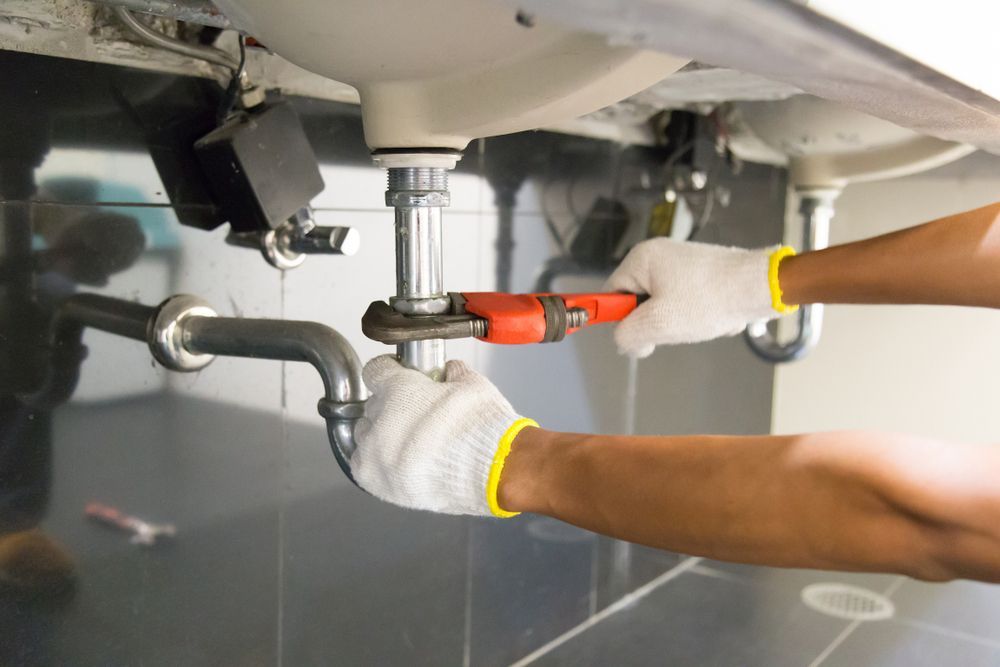
Licensed plumbers may inspect fixtures, pipework, and hot water systems to determine where scale accumulation is occurring and whether hard water is contributing to reduced plumbing performance. In many cases, preventative maintenance can help reduce future damage and extend the lifespan of household systems.
Depending on the condition of the plumbing system, solutions may include:
- Hot water system flushing and servicing
- Descaling taps, showerheads, and fixtures
- Replacing heavily affected fittings or pipe sections
- Investigating low water pressure issues
- Installing filtration or water treatment systems where appropriate
- Assessing appliance connections for scale buildup
For some properties, ongoing maintenance becomes particularly important as hard water damage accumulates slowly over many years. Older homes may require more regular inspections, especially if plumbing systems have not previously been serviced for mineral buildup.
Households concerned about hard water damage can also visit our website for information about plumbing maintenance and servicing options.
If mineral buildup has already started affecting hot water performance, inconsistent temperatures or rising energy bills may indicate internal sediment accumulation, so keeping an eye on additional warning signs that your hot water system needs replacing is always a wise idea.
Here at
ACS Plumbing, we assist homeowners dealing with hard water in Tamworth, including plumbing inspections, hot water system servicing, and maintenance for mineral buildup affecting household appliances and pipework. If you have noticed reduced water pressure, scale buildup, or declining hot water performance,
contact our team to discuss suitable plumbing solutions for your property.