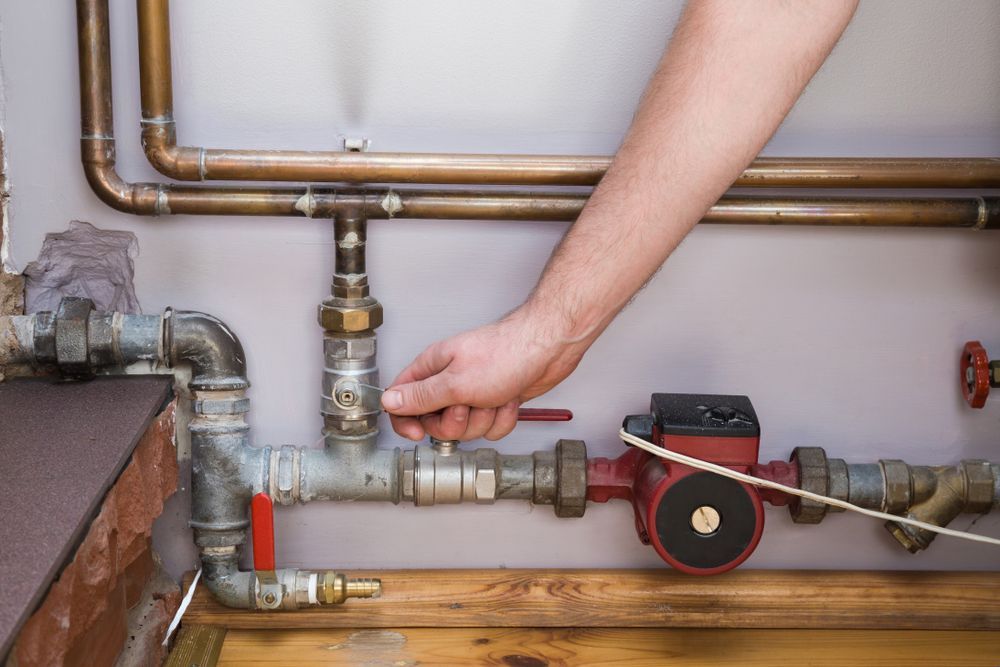
What To Do During A Plumbing Emergency
Plumbing systems usually operate quietly in the background of daily life. Water flows through pipes, drains carry wastewater away and appliances such as hot water systems function without much attention. When something suddenly goes wrong, however, the situation can quickly become stressful.
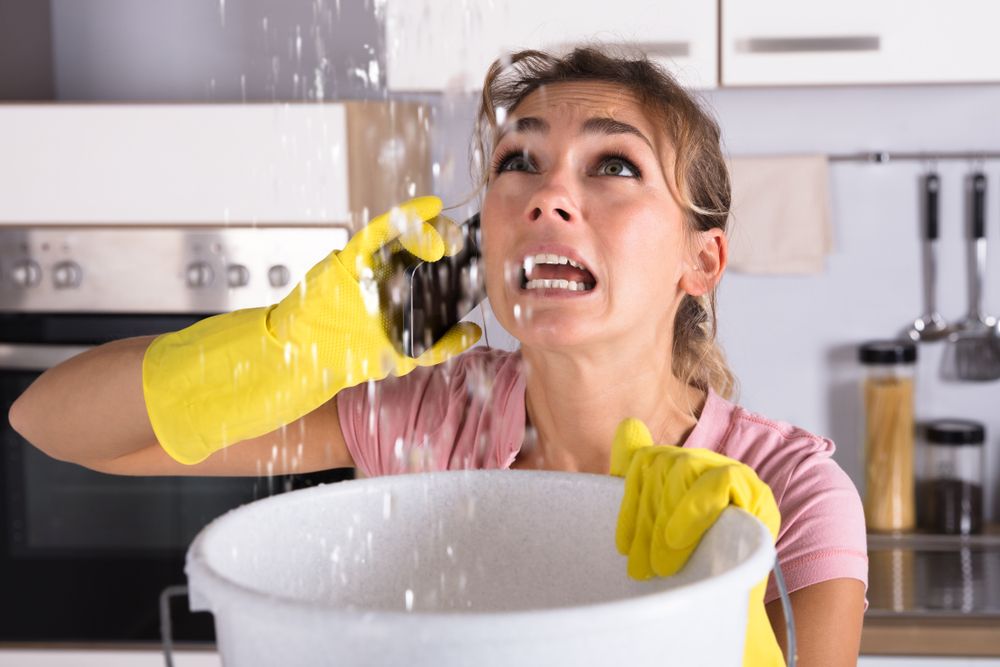
Burst pipes, blocked drains or leaking fixtures may release large amounts of water in a short period of time. These situations can affect flooring, walls and electrical systems if they are not addressed promptly. Acting quickly and knowing what steps to take can help reduce potential damage while waiting for a plumber to attend.
Understanding the early signs of a plumbing emergency and knowing how to respond safely allows property owners to manage the situation calmly until professional assistance arrives.
Recognising the Early Signs of a Plumbing Emergency
Plumbing emergencies rarely occur without warning. In many situations, there are small signs that indicate something within the system is not functioning normally. Being aware of these indicators can help property owners respond sooner rather than later.
A plumbing emergency generally involves a situation where water flow, drainage or gas systems pose an immediate concern for the property or the people inside it. When these situations occur, contacting a licensed plumber is usually the safest course of action.
Common warning signs of plumbing emergencies include:
- Sudden drops in water pressure throughout the property
- Water pooling on floors or around fixtures
- Unusual sounds coming from pipes or drains
- Strong sewer or gas odours inside the building
Recognising these signs early can help property owners act quickly and seek assistance before the situation worsens.
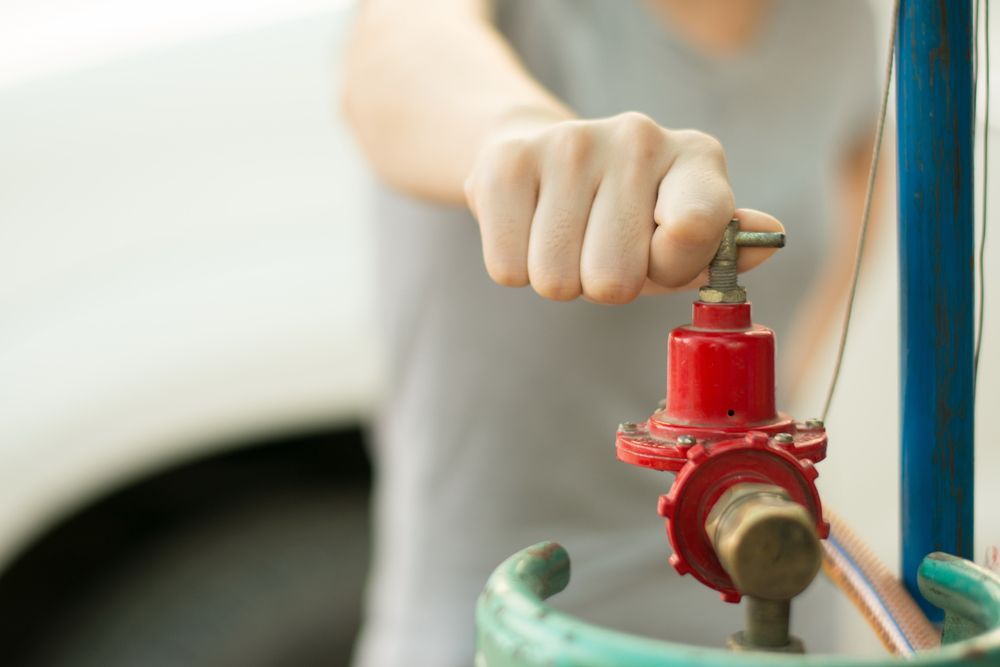
First Step: Turning Off the Main Water Supply
One of the most important steps during a plumbing emergency is locating and turning off the main water supply. Stopping the flow of water into the property can help reduce the amount of water escaping from damaged pipes or fixtures.
Most properties have a main water shut-off valve located near the water meter or at the point where the main pipe enters the building. Knowing its location before an emergency occurs can make it easier to respond quickly.
Situations where turning off the water supply may help include:
- Burst pipes releasing water rapidly
- Severe leaks under sinks or behind walls
- Overflowing fixtures or appliances
- Broken taps or fittings that cannot be closed normally
Turning off the water supply does not fix the problem, but it can help limit the amount of water escaping until a plumber arrives.
Managing Water Leaks While Waiting for a Plumber
After the main water supply has been turned off, there may still be water remaining in pipes or around the affected area. Taking a few simple steps can help reduce damage while waiting for plumbing assistance.
These steps focus on managing the immediate situation rather than attempting repairs.
Examples of temporary actions include:
- Placing buckets or containers under leaking pipes
- Using towels or cloths to absorb excess water
- Moving nearby items away from wet areas
- Opening windows or using fans to help dry surfaces
These measures can help manage the immediate effects of a leak while professional plumbing services are arranged.
When Blocked Drains Become an Urgent Plumbing Issue
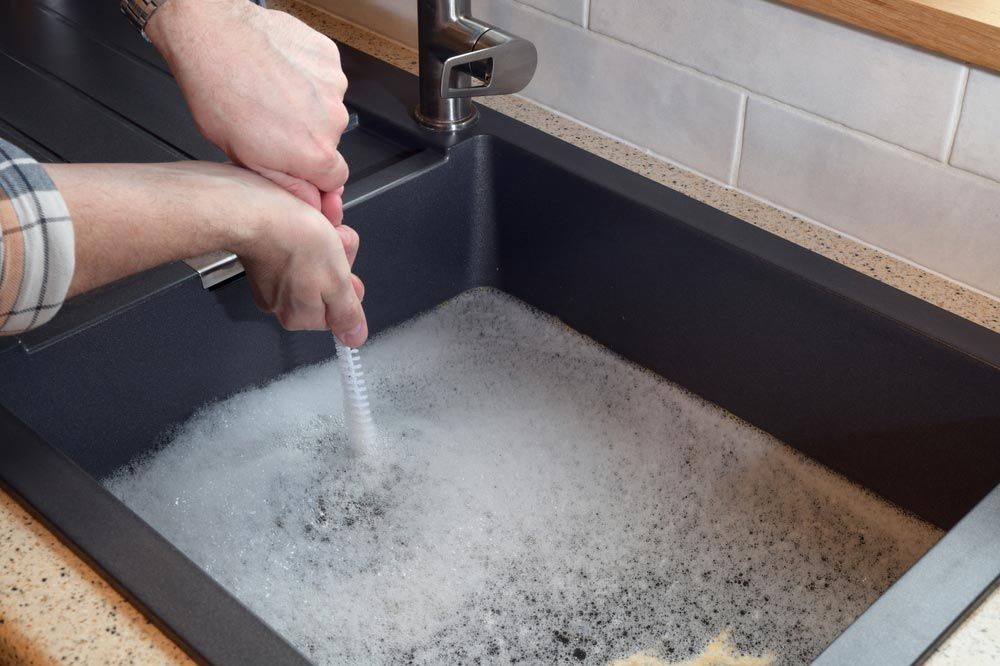
Blocked drains are a common plumbing issue, yet in some cases they can escalate into an urgent situation. When wastewater cannot flow through the drainage system properly, it may back up into sinks, showers or outdoor drains.
Severe blockages can sometimes affect multiple fixtures within a property. When this happens, the situation may require urgent attention from a plumber.
Signs that a drain blockage may be becoming serious include:
- Water draining slowly from sinks or showers
- Gurgling sounds coming from drains
- Water backing up into nearby fixtures
- Strong odours coming from drains
Professional plumbing services can assess the cause of the blockage and determine the appropriate way to clear it safely.
Hot Water System Failures and What to Do Immediately
Hot water systems contain pressurised water and heating components, which means problems can develop quickly if a fault occurs. Leaks, unusual noises or sudden loss of hot water may indicate that the system requires attention.
If a hot water system begins leaking or showing unusual behaviour, avoiding direct contact with hot components is important.
Situations that may indicate hot water system problems include:
- Water pooling around the base of the unit
- Discoloured water coming from taps
- Loud noises from the tank or heating elements
- Sudden loss of hot water supply
In these situations, contacting a plumber can help determine what steps are required to address the issue.
Gas Smells or Suspected Gas Leaks Require Immediate Attention
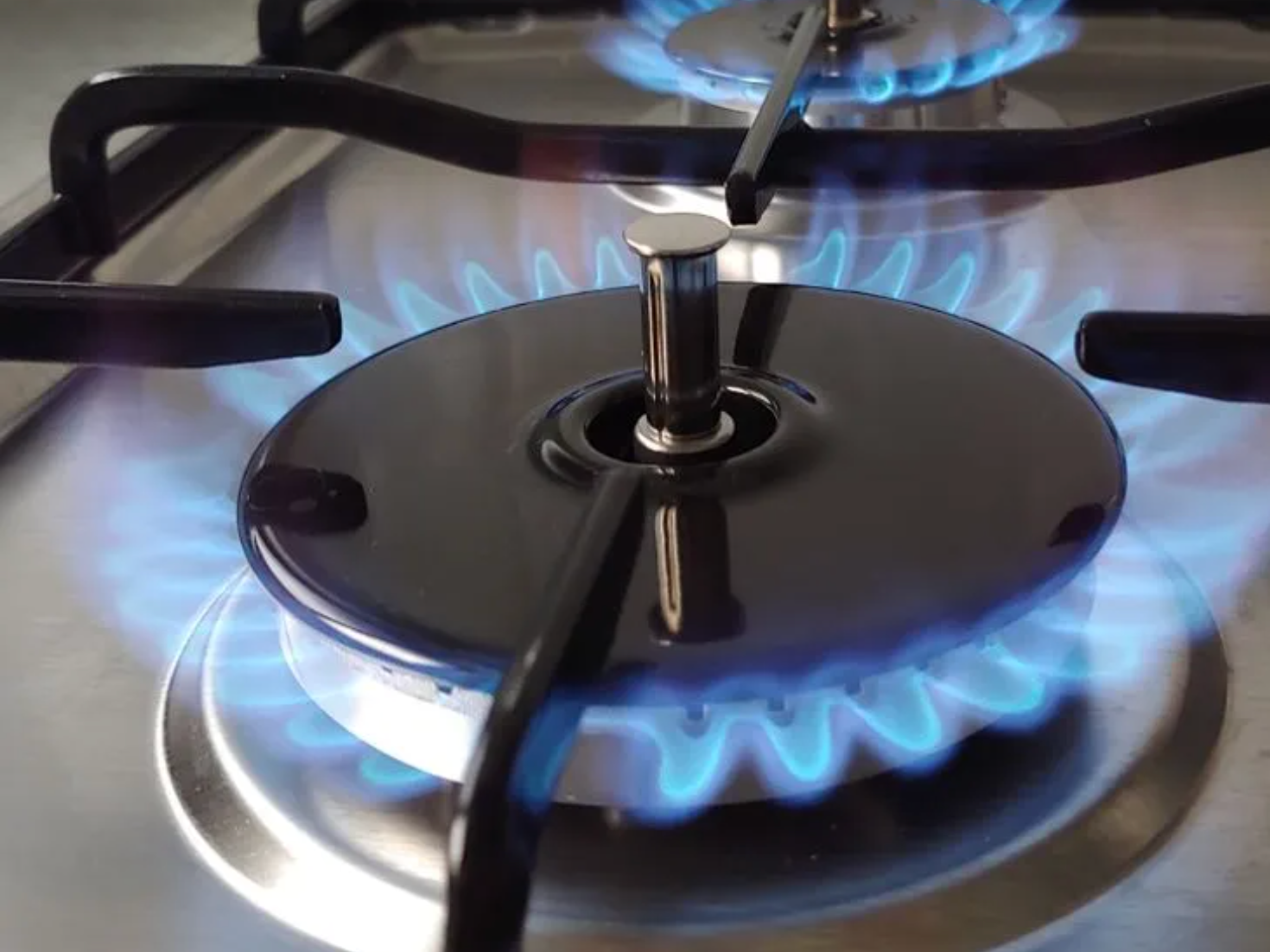
Some plumbing systems also involve gas appliances or gas supply lines. If a gas smell is noticed inside or around a property, it should be treated as an urgent situation.
Gas leaks may pose safety risks, so avoiding the use of electrical switches or appliances nearby is often recommended until the situation has been assessed.
Warning signs that may indicate a gas leak include:
- A strong gas odour around appliances or pipes
- Hissing sounds near gas lines
- Dead vegetation near outdoor gas pipes
- Unusual smells around hot water systems or heaters
Licensed professionals are typically contacted to inspect and address suspected gas leaks.
Why Plumbing Emergencies Should Not Be Handled with DIY Repairs
During a plumbing emergency, it may be tempting to attempt a quick repair to stop the problem. However, plumbing systems can involve pressurised water lines, specialised fittings and safety considerations.
Attempting repairs without the correct tools or knowledge may sometimes make the situation more complex. For this reason, contacting a licensed plumber is generally recommended.
Potential risks of DIY plumbing repairs during emergencies include:
- Worsening pipe damage
- Incorrect installation of fittings
- Water leaks continuing inside walls or ceilings
- Safety risks involving gas or electrical systems
For further information on this topic, you can read why you should call an emergency plumber instead of attempting DIY fixes.
Calling an Emergency Plumber and Preparing for Their Arrival
Once the immediate situation has been managed, contacting an emergency plumber is the next step. Providing clear information about the problem helps plumbers understand the situation before arriving.
Preparing the area can also make it easier for the plumber to access the affected pipes or fixtures.
Helpful steps when contacting emergency plumbing services include:
- Describing the problem and where it is occurring
- Explaining when the issue first appeared
- Confirming whether the water supply has been turned off
- Clearing the surrounding area for easier access
Taking these steps can help streamline the process while waiting for a plumber to arrive.
We at ACS Plumbing understand that plumbing emergencies can occur unexpectedly in homes and businesses across Tamworth. Sudden pipe failures, blocked drains and hot water system issues can cause disruption and potential property damage if they are not addressed promptly. Our team provides support for situations requiring an emergency plumber in Tamworth, helping property owners respond to urgent plumbing problems.
If you are dealing with plumbing emergencies or need assistance from a licensed plumber, visit our website to contact our team today.